Smoko Etiquette for New Labourers: Where to Sit, Who Pays, When to Get Up
Smoko is a short paid break, usually around 15 minutes. Where to sit, how the coffee shout works, phones, and when to get back up. Plus the 2026 award rules.
Smoko etiquette for a new labourer on a Sydney site (MA000020, 2026):
- What it is: a paid break, usually around 15 minutes depending on the site. The award floor is 10 minutes between 9am and 11am (cl.18.3(a)). Lunch is the unpaid break, at least 30 minutes.
- Where to sit: with your own crew, on a seat nobody has claimed. Never the foreman's chair.
- Who pays: your employer pays for the break. The coffee shout is whoever offers, and you shout back.
- Phone: fine to scroll. No headphones, no photos of the crew or site.
- Getting up: when the leading hand stands or smoko time is up. Toilet, snack, back on the tools.
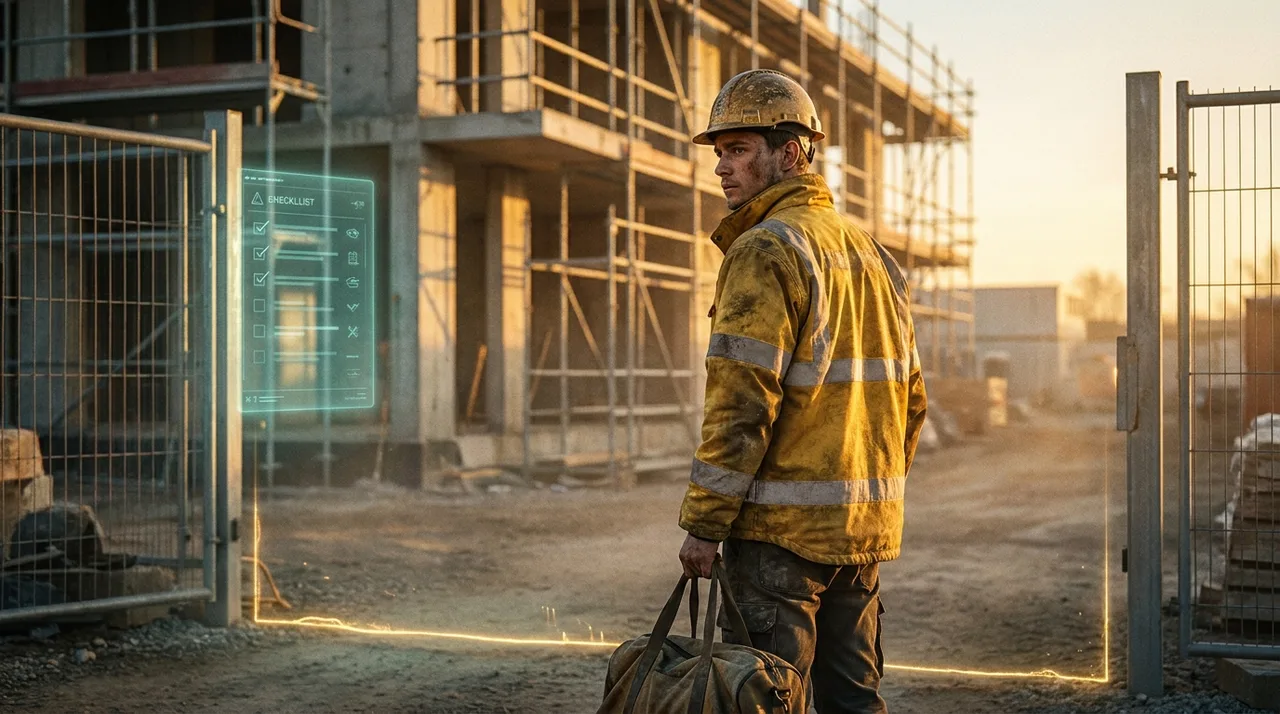
9:30am. The tools go down. Eight blokes head for the same shed.
You're the new one. You don't know which seat is free, whether you should have brought coffee for everyone, or when you're meant to get back up.
Smoko is a quick stop, not a ceremony. But it's also where the crew starts working out who you are.
Nobody writes these rules down. This guide does. Where to sit, how the shout works, what to do with your phone, and when to stand up.
Table of Contents
- Is smoko paid, and how long is it?
- Where should a new labourer sit at smoko?
- Who pays for the coffees? How the shout works
- Can you use your phone at smoko?
- When do you get back up?
- What earns respect in the crib room?
- What if smoko keeps getting skipped?
Is smoko paid, and how long is it?
Yes, it's paid. The break that isn't paid is lunch.
How long depends on the site. Smoko usually runs 10 to 30 minutes, and on most Sydney sites it's around 15.
Just long enough for a phone call, a smoke or a snack.
Quick stop, toilet, snack, back on the tools. That's smoko.The law sets the floor. The Building and Construction General On-site Award (MA000020, consolidated to 1 July 2026) sets the day's breaks:
So your timesheet runs straight through smoko. You only take the 30-minute lunch off your hours.
That 10 minutes is the minimum, not the norm. It's why one site runs a 10 and the next runs 15 or 20.
Some enterprise agreements add more, like a longer smoko or a paid arvo break. If the direct crew gets it, you work to the site standard too.
Who pays for the break? Your employer. Through Leap, that's us, not the builder. The coffee is a different story. Keep reading.
Where should a new labourer sit at smoko?
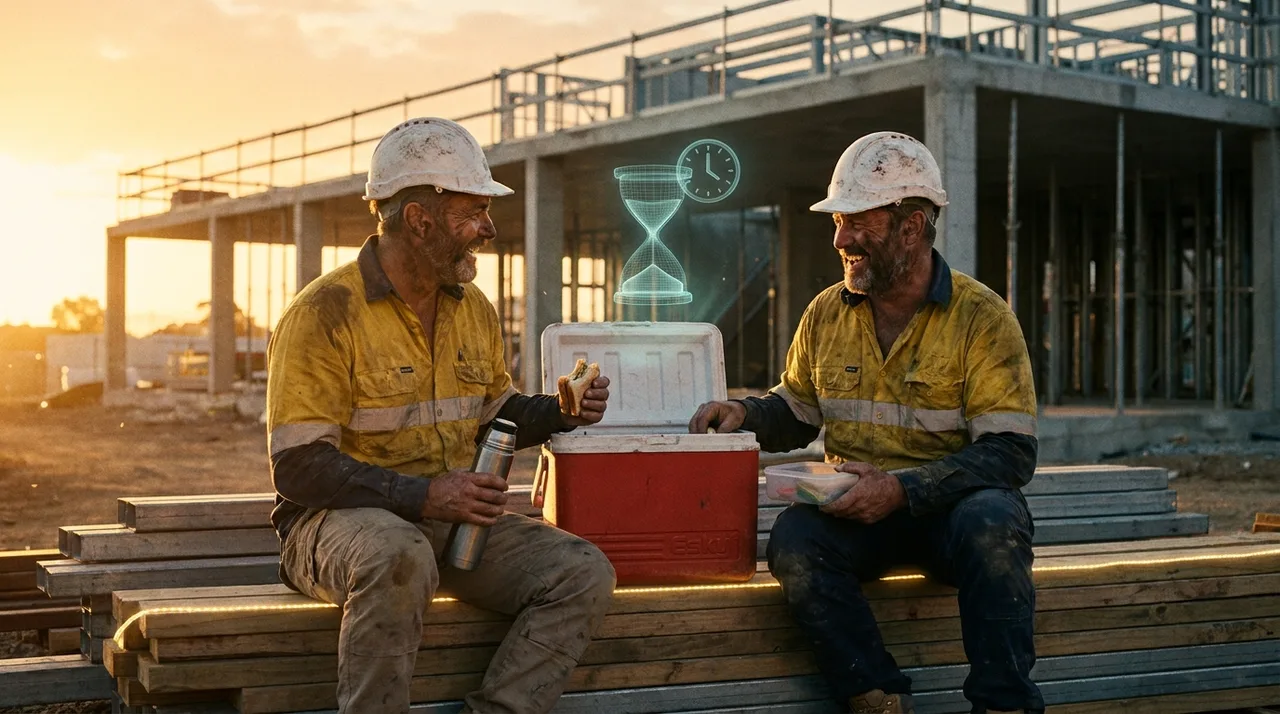
With your own crew, on a seat nobody has claimed. That's the whole rule. The hard part is reading which seats are claimed.
Every crib shed has a chair nobody tells you about. Don't sit in it.Here's how to spot the taken spots on day one:
- The chair by the door, facing the site. Usually the foreman's or the leading hand's.
- Anything with a jacket, a cushion or a lunch bag on it. That's a reservation.
- The same bench, the same end. Older blokes have sat there for months. Wait a day before you guess.
- Another trade's corner. Sparkies, plumbers and riggers often crib separately. It's logistics, not snobbery: different bosses, different start times.
Sit after the regulars, not before. Grab a milk crate, a stack of timber, the end of a bench. Nobody minds the new bloke on a crate.
Don't hover in the doorway either. Standing over a seated crew reads as "I'm waiting to leave".
No crib room on a small residential job? Smoko happens in the ute, on a pallet or under whatever shade there is. Leap's terms require every host site to provide a toilet and running water, and SafeWork NSW sets out the site's duty on facilities. If there's no shade and no water on a 35-degree day, that's a safety issue, not etiquette. Tell your allocator.
Who pays for the coffees? How the shout works
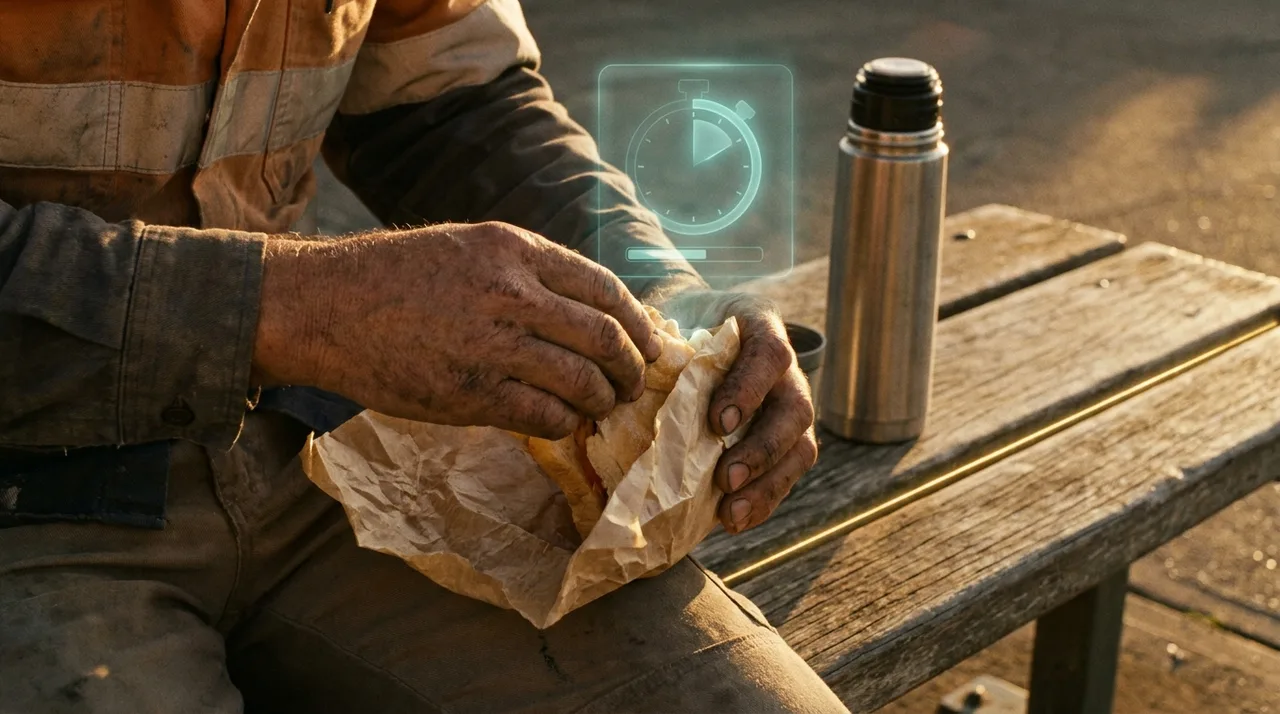
The break is paid by your employer under MA000020. The coffee isn't. On plenty of Sydney sites, smoko means a coffee van, a bakery run or one bloke taking orders.
That's "the shout". The rules are simple, and nobody will explain them to you.
Two things that go badly:
- Freeloading. Taking a coffee three days running and never returning it. Small money, big reputation cost.
- Keeping a ledger out loud. "You owe me $5.50" across the crib room. Just shout the next one.
On a long job, the crew often chips in for the crib-room kit: a kettle, tea, coffee, milk, biscuits. Throw in when the tin comes round. It buys more goodwill than the coin it costs.
Nobody remembers who shouted. Everybody remembers who never did.Can you use your phone at smoko?
Yes. Scrolling at smoko is normal in 2026, and most of the crew will be doing it.
The line sits somewhere else:
- No headphones, at least in your first weeks. Earbuds in at smoko read as "leave me alone" while the crew is still working out who you are.
- Step away for calls. Ringing your partner or your landlord in the middle of the shed puts everyone in your conversation.
- No photos or videos of the crew or the site without asking. Many sites restrict photography, and nobody wants to end up on your TikTok.
- Don't scroll through someone else's story. If a bloke starts talking, the phone goes face down.
Smoko is short, around 15 minutes on most sites (the award floor is 10, MA000020 cl.18.3(a)). Spend at least half of it with your head up.
Phones on the tools are a different matter. Our guide to the first-week mistakes that get labourers sent home covers that.
When do you get back up?
When the leading hand stands, or when smoko time is up. Whichever comes first.
The award sets a paid minimum of 10 minutes between 9am and 11am (MA000020 cl.18.3(a)). Your site might run 15. Either way, the award doesn't set when your crew actually rises. Your leading hand does.
- Watch him, not the clock. When he puts the cup down and stands, you stand.
- Be ready, not rushing. Toilet done, boots done up, gloves on, rubbish in the bin, before time's up.
- Don't be first to sit and last to stand. Every day. That pattern gets noticed faster than any mistake on the tools.
- Don't stretch it. If the crew runs smoko long, that's the foreman's call. It's never the new bloke's.
Hot days are the exception. When it's really cooking, the site should be calling extra rest breaks in the shade on top of your smoko, not instead of it. SafeWork NSW sets out the guidance. Drink before you're thirsty, and tell someone if you feel dizzy or stop sweating.

What earns respect in the crib room?
Not jokes. Not stories. Small, boring habits, repeated every day.
Quiet on day one is normal. You don't need to be funny. Sit, eat, listen, answer when you're asked.
By week two you'll know the running jokes. By week three you'll have a seat.
Bring your own, and pack something that survives an esky from 6am. A thermos helps. Strong-smelling food in a sealed steel shed doesn't.
There's a reason the crib room matters beyond manners. MATES in Construction, the industry's suicide-prevention program, says construction workers are nine times more likely to die by suicide than in a workplace accident (MATES in Construction). Smoko is often where someone first notices a mate is off.
If the bloke next to you has gone quiet for a week, ask him if he's right. That's site etiquette too.
Day-one smoko in one line. Sit with your crew on a free seat, offer to do the coffee run, keep the earbuds out, and be on your feet when the leading hand stands.
What if smoko keeps getting skipped?
One skipped smoko on a pour day is not a fight. Every day is a Fair Work issue.
The award requires a paid rest period of at least 10 minutes, and no more than 5 hours without a meal break (MA000020 cl.18.1(b), 18.3(a), 2026). If you're made to work through the meal break, clause 29.6 sets 200% for that time.
The order to raise it:
- A casual word to the leading hand. "We missed smoko again, crew's keen for a ten."
- Your labour hire company. Through Leap, tell your allocator. We take it up with the site, so you don't have to.
- The Fair Work Ombudsman on 13 13 94 if it still doesn't change.
Being given worse breaks or worse seating because you're the agency worker isn't culture either. Same site, same breaks. It's also one of the reasons workers walk off at smoko, and good sites know it.
New to the words you'll hear in that shed? Our Sydney site slang dictionary covers crib, brew, knock off and the rest.
Get Started
Bring your lunch. Offer the coffee run. Sit after the regulars. Stand when the leading hand stands.
That's most of the unwritten rules, and it's what gets a new labourer asked back. For the habits that keep the bookings coming after week one, read the 4 behaviours that get you re-booked every week.
Starting from zero? The first Sydney construction job guide covers the white card, PPE and day one.
Ready for your first crew? Browse labourer jobs in Sydney or register with Leap.
Frequently Asked Questions
Is smoko paid on a Sydney construction site?+
Yes. Under the Building and Construction General On-site Award (MA000020) clause 18.3(a), a paid rest period of 10 minutes must be allowed between 9am and 11am. Lunch is the unpaid break: at least 30 minutes, usually between noon and 1pm, and you can't be made to work more than 5 hours without it (clause 18.1).
How long is smoko on a Sydney site?+
It depends on the site. Smoko usually runs 10 to 30 minutes, and on most Sydney sites it's around 15. The award floor is a paid 10 minutes (MA000020 cl.18.3(a)), and enterprise agreements can add more. It's a quick stop: toilet, snack, phone call, back on the tools.
Where should a new labourer sit at smoko?+
With your own crew, on a spare seat nobody has claimed. Don't take the chair closest to the door or anything with a jacket on it, and don't walk into another trade's spot. Watch where people sit on day one and fit around them.
Who pays for the coffees at smoko?+
Whoever offers to shout. On many Sydney sites someone does a coffee or bakery run for the crew. If someone shouts you, you shout the next one. The new worker offering to do the run, with their own money ready, is one of the fastest ways to earn goodwill.
Can I use my phone at smoko?+
Yes. Scrolling at smoko is normal. Leave the headphones out on your first weeks, step away to take a call, and never film or photograph the crew or the site without permission. Many sites restrict photos.
When should I get back up after smoko?+
When the leading hand or foreman stands up, or when the site's smoko time is up, whichever comes first. Be on your feet with your gear on, rubbish binned. Being last off the seat every day gets noticed more than any mistake on the tools.
Can the foreman make me work through smoko?+
Not as a habit. The award requires a paid 10-minute rest period between 9am and 11am, and you can't be made to work more than 5 hours without a meal break. If it keeps getting skipped, tell your labour hire company first, then the Fair Work Ombudsman on 13 13 94.
What do you say at smoko on your first day?+
Not much. Sit, eat, listen, learn names. Answer what you're asked. Ask about the job, not about pay or gossip. Quiet on day one reads as respectful, not rude.